
Safe and Responsible Tree Removal Practices for Homeowners
Key Takeaways:
- Recognize signs indicating a tree may need removal.
- Understand the importance of safety measures during tree removal.
- Know when to hire professionals versus attempting DIY removal.
- Be aware of local regulations and obtain necessary permits.
- Learn about post-removal care and replanting options.
Recognizing When Tree Removal Is Necessary
Understanding when a tree should be removed is an important part of maintaining both home safety and a healthy landscape. Warning signs such as dead or brittle branches, visible fungal growth, deep trunk cracks, or a sudden lean can point to structural instability. Left unaddressed, these issues can lead to falling limbs or even complete tree failure, especially during strong winds or storms.
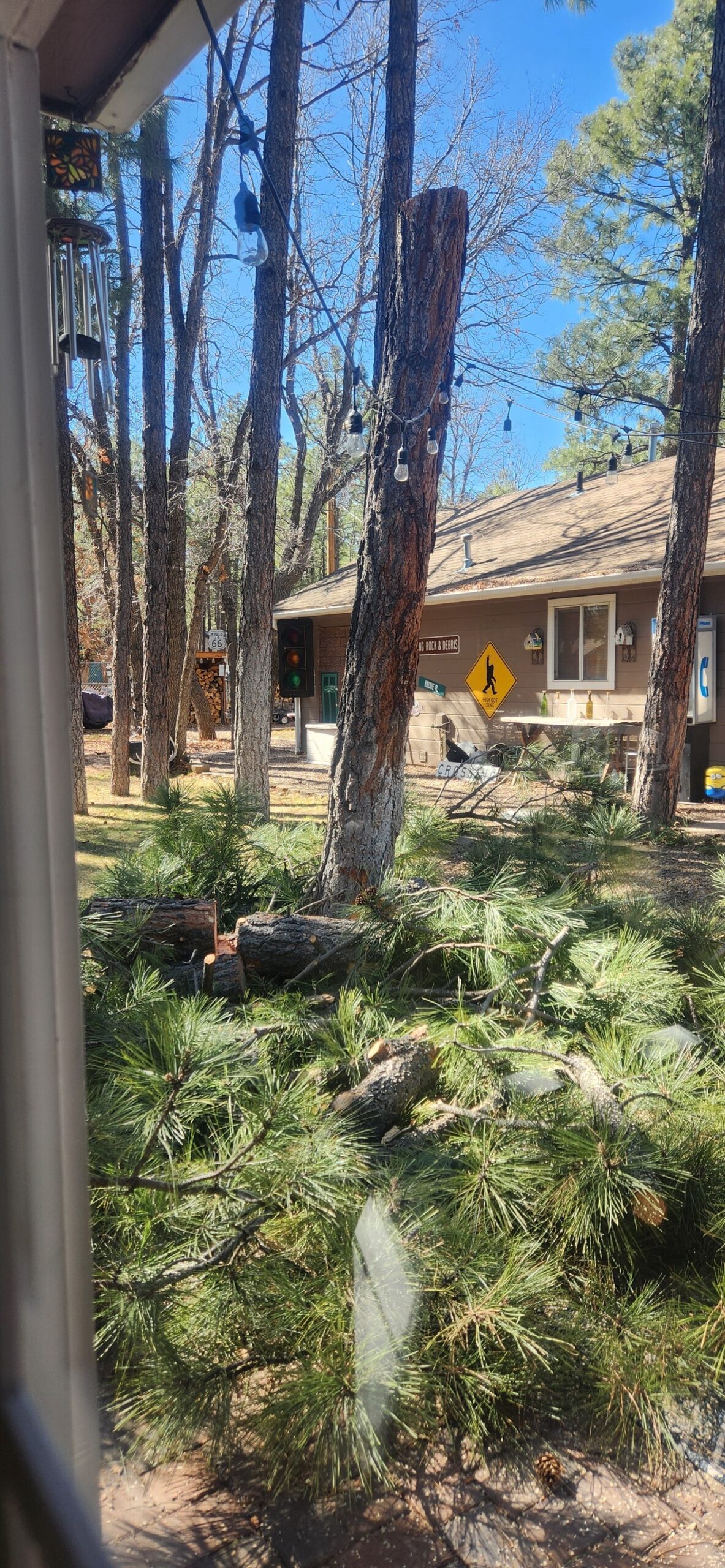 For homeowners exploring tree removal st charles mo, working with experienced professionals ensures the job is handled safely and efficiently. Companies like Liscombe Tree Service offer expert evaluations and reliable removal services tailored to local conditions. Taking action early not only protects your property but also helps maintain a safer outdoor environment.
Regular inspections of your trees will help you identify issues before they escalate. Look for visible wounds, exposed roots, or significant loss of leaves as signs that a deeper problem may exist. These simple checks can make a significant difference in maintaining both safety and curb appeal.
Sometimes, the signs are subtle, such as slow growth or gradual thinning of the canopy. Paying attention to changes each season and documenting them with photographs can help when consulting with professionals or arborists. By staying observant, homeowners can intervene before the risks grow worse.
In addition to physical signs, consider the tree’s proximity to utilities or buildings. Trees growing too close to power lines or foundations may require removal to prevent costly repairs or outages. Proactive care and early identification safeguard your investment in both home and health.
Safety Measures During Tree Removal
Tree removal comes with significant risks, from falling branches to the dangers of power tools. Establishing a safety perimeter, at least twice the height of the tree in all directions, is critical to protecting both property and bystanders. Utilizing proper personal protective equipment (PPE) such as hard hats, gloves, chaps, goggles, and sturdy boots is non-negotiable. Each tool, particularly chainsaws and ladders, should be inspected before use to make sure it operates correctly and safely.
Many accidents happen when precautions are overlooked or when individuals are not adequately trained. Following the Occupational Safety and Health Administration (OSHA) guidelines for tree care operations can greatly reduce the risks. Even if the tree seems small or easily managed, never skip the steps required for a safe removal process.
DIY vs. Professional Tree Removal
Choosing between do-it-yourself methods and professional tree removal depends on the situation. For small trees in open areas, a confident and experienced homeowner may handle the job. However, removing large trees or those located near structures, power lines, or occupied zones should always be left to experts. Professionals have advanced equipment, rigorous training, and insurance coverage, minimizing the risk of property damage or personal injury.
If you lack confidence, proper tools, or experience, attempting a DIY tree removal can be hazardous. Certified arborists not only execute removals safely but also ensure compliance with local regulations and best practices. It is a smart investment for complex or high-risk removals.
Understanding Local Regulations and Permits
Before beginning any tree removal, check local laws and municipal guidelines. Many towns require permits for removing trees above a certain size or species, especially if they are considered protected. This process often includes approval from city planners or environmental departments, designed to preserve the local canopy and ecosystem. Some neighborhoods are governed by homeowners’ associations (HOAs), which may have separate standards for tree removal and landscaping changes.
Failing to obtain the correct permits can result in fines or mandates to replant new trees. Consulting with local authorities or a certified arborist ensures that the process is both legal and in the best interests of the community. For more details on municipal ordinances, the EPA’s Green Infrastructure resources provide useful insights for homeowners.
Post-Removal Care and Replanting
Once a tree has been removed, responsible post-care is essential. Removing or grinding the leftover stump eliminates regrowth, prevents tripping hazards, and makes space for future planting. Restoring the soil using organic matter and mulch helps heal the ground, supporting new landscape activities. Replanting with native trees or shrubs not only revitalizes the area but also contributes to the region’s biodiversity and beauty.
Native plants are better adapted to local conditions, tend to require less maintenance, and help sustain local wildlife. Research native species suitable for your area to optimize your landscape’s health. This proactive approach helps maintain the ecological balance of your property.
Preventive Measures to Avoid Future Removals
Homeowners can limit the need for future removals by committing to routine tree care. Regular pruning of dead or weak branches fosters vigorous growth and minimizes storm-related limb loss. Maintaining healthy soil through mulching and proper watering supports strong root systems. Schedule periodic inspections with arborists to identify subtle signs of disease or stress before they threaten the tree’s health.
Preventive maintenance is an investment in the longevity and safety of your landscape. Early intervention prevents costly removals while supporting the health and stability of every tree on your property.
Environmental Considerations
Responsible tree removal also means being mindful of possible environmental impacts. Trees offer habitats for birds, mammals, and beneficial insects. Before removing a tree, check for nesting animals or select optimal relocation strategies. Repurposing removed wood for mulch, firewood, or furniture reduces landfill waste and can benefit your garden or community. Replanting native trees or shrubs helps restore ecosystem balance lost through removal activities.
Conclusion
Safe and responsible tree removal is an involved process requiring careful assessment, prioritizing safety, and strict adherence to local regulations. By identifying hazardous trees early, following appropriate safety protocols, and engaging professionals when necessary, homeowners can protect their properties, support neighborhood aesthetics, and promote environmental sustainability. With thoughtful post-removal care and ongoing preventive measures, your landscape can continue to thrive safely for years to come.
Learn some Safe and Responsible Tree Removal Practices for Homeowners #Home #Trees #Removal Share on X
Disclaimer: I, Jamie Tomkins, own and operate TigerStrypes Blog located at www.tigerstrypes.com. From time to time you’ll hear about products and/or services from companies and individuals. Let it be known that I have an affiliation with these said companies, and have received compensation for reviewing their service/product. No portion of the product/service was given to me by the company or any agents of the company. The review that I give regarding the product/service is based off my own personal experience; I do not guarantee that your experience will be the same.



Thanks for sharing. I have a tree that I hope lasts a lot longer, but also need to prep for when it may need to go soon. Trees are so expensive!
Our mountains have been so dry, that the bark beetle is having a party. There are so many dead trees here, it’s sad. 🙁
This is a very handy post! We had a lot of tree removal in town recently but that was more due to damage from a storm. I think some of the larger ones would have had less damage if they had been trimmed or even removed.
That’s always so scary! Monsoon season is here, so I’m praying for no downbursts and tree carnage. 🙁