Table of Contents
- Begin With the Room, Not the Furniture
- Evaluate All Key Places
- Make Furniture Match Your Life
- Choose Seating for Comfort
- Plan Storage Before Clutter Appears
- Compare Materials and Construction
- Make Sure That There Is a Clear Path
- Take Care of Any Risks Related to Safety
- Avoid the Most Common Mistakes
- Utilize Your Final Furniture Check List
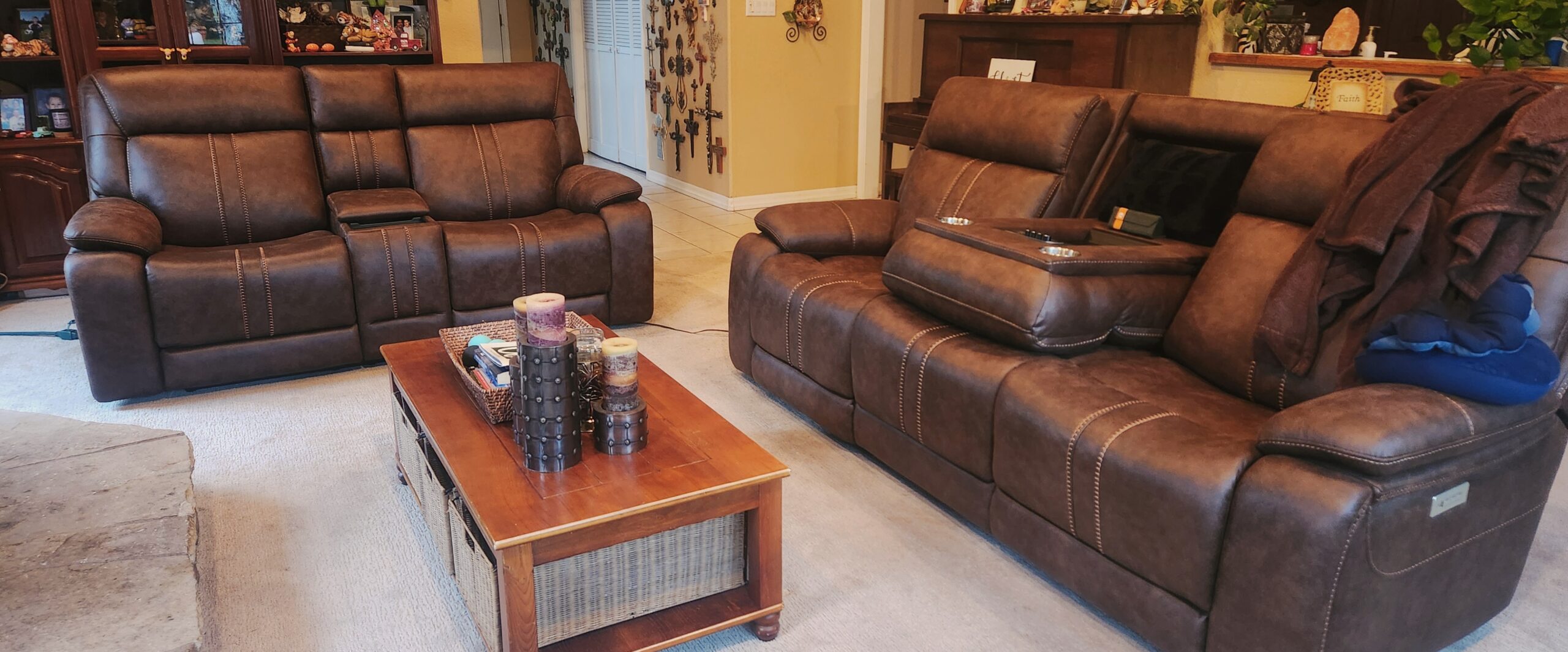
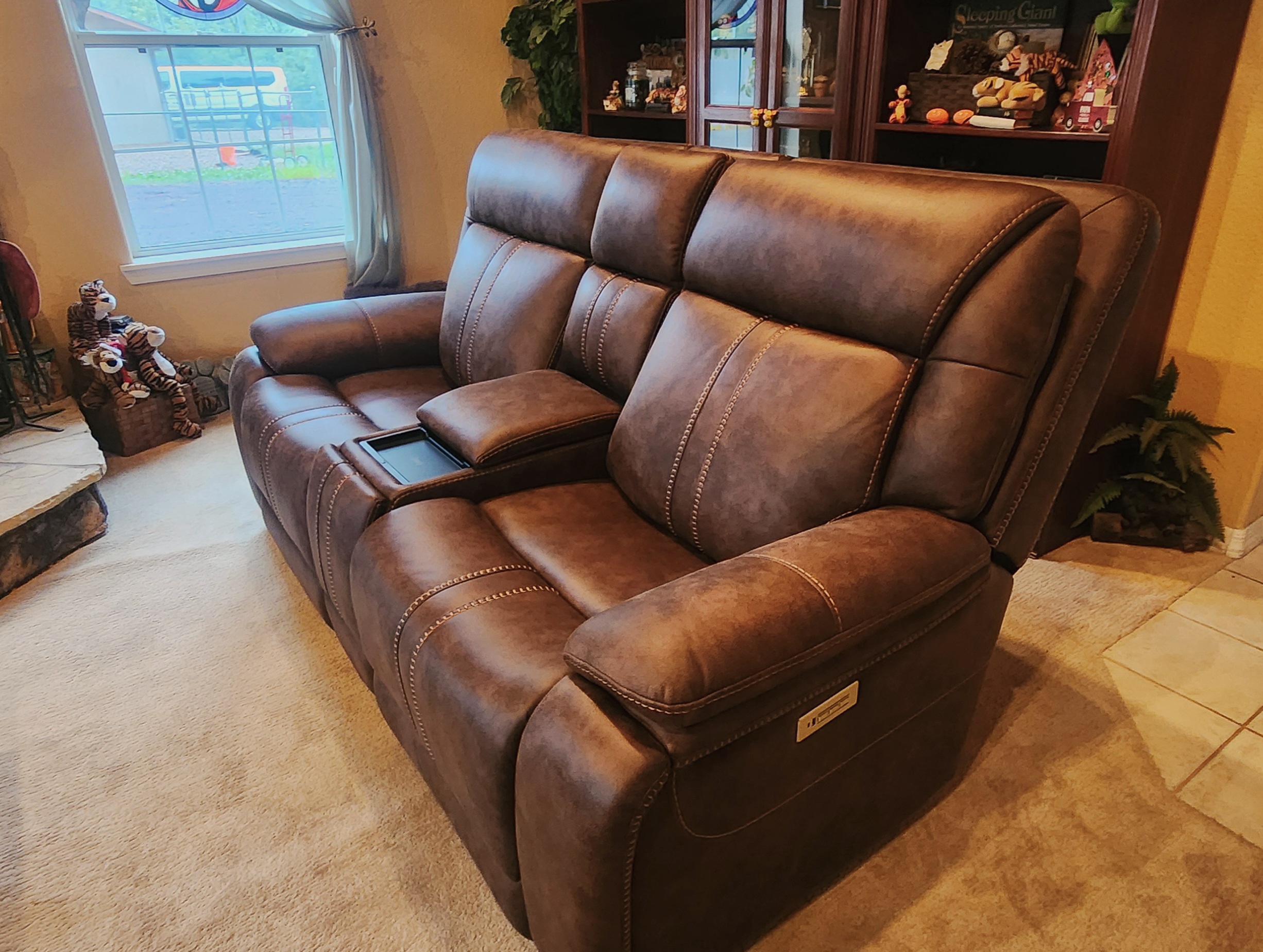
We just recently went through a long process of finding a sofa set that would work in our great room. Shopping around, using photos and testing things out. It took a long time, but in the end, we are super happy!!
Selecting the best furniture can be incredibly simple if you do not concentrate solely on how the room looks. It would be much easier to relax in your place, entertain guests, store your things, and move through the room without difficulty or frustration. The first step before you start comparing designs and colors of the furniture is to find the right sofa for your space at Poly & Bark, taking into account the size of your room, its layout, and the way you are going to use it.
A well-furnished home does not necessarily have to look like a showroom. Instead, it has to meet the needs of its residents. When you furnish a small flat, a family living room, or a home office, you need to plan things well so that you do not spend too much money and do not end up with furniture that would be of no use very soon.
Begin With the Room, Not the Furniture
First, think about the actual purpose of your room. A living room can be used for watching movies, reading, working from home, or having conversations, among other things. A dining area can be transformed into a study room when the children need to do their homework. You need to record the processes that take place in the room, who the users of the room are, and what the room creates clutter with.
Evaluate All Key Places
Start by measuring a room’s height, width, and length along with the location of windows, vents, sockets, radiators and door arcs. Why shouldn’t one stick to just the room? As a result, what has been recorded as fitting in a room may still pose challenges when one attempts to bring it inside if it does not have enough clearance when going through the front door, corridor, elevator, stairs and at sharp turns.
Keep it simple with a measurement checklist
- Room’s height, width and length
- Doorway’s width and corridor width
- Stairway, elevator and platform dimensions
- Window, socket, vent and switch placement
- Space availability for moving around furniture.
Draw up the simplest floor plan before going shopping and place painter’s tape to mark out the footprint of the item you want to buy. That simple step shows if the sofa, bed or table fits in the room and does not impede the passage.
Make Furniture Match Your Life
A stunning piece of furniture will not work if it is not proper for your lifestyle. Families with kids prefer furniture with round edges, washable upholstery and closed storage. Pet owners need durable and easily cleaned fabrics. People who work from home need an appropriate desk and chair, while hosts require extra moving seats for those nights with many guests.
Multipurpose furniture is of immense use in apartments and flexible rooms. One can use nesting tables, storage benches, sleeper sofas, rolling carts or lightweight tables suitable for catching up with friends.
Choose Seating for Comfort
There are many options available when it comes to seating, including sofas, sectionals, loveseats, accent chairs, benches, and recliners. The choice of a piece of seating can be determined mainly by the shape of the piece and the number of seats in it. Elements that affect comfort in seating include cushion firmness, seat and back height and depth, arm height, and the type of upholstery.
Try researching these products in person. However, it is important to sit on a piece of seating for a period longer than a few seconds.
Also get the opinion of everyone who will need to sit on the piece of seating.
Plan Storage Before Clutter Appears
Proper storage solutions can help keep the space functional even after everybody starts using it. Open shelves are good for books and plants, while cabinets and drawers are better for storage of items like cords, games and papers, which may make the room cluttered.
Make sure that your storage is placed near the places where items are being used. For instance, it would be a good idea to create a drop zone near the entryway, containing hooks for bags and a bowl for keys.
Compare Materials and Construction
Make sure to choose the materials that have the properties you need both from the perspective of the final shape of the piece of furniture and the ease of maintenance.
Each of the materials used for furniture, wood, metal, glass, leather, fabric upholstery, and synthetic materials has its own unique quality and maintenance requirements. Rather than evaluating the quality of furniture just by its price, evaluate various factors such as the sturdiness of the frame, type of joints used, ease of operation of drawers, alignment of doors, mobility of the legs, durability of the finishing, and warranty.
Before making a purchase, think of how the furniture would be used. A delicate glass table would be inappropriate for a busy household; on the contrary, upholstery that would endure frequent cleaning may be better suited for a family living room used for constant family gatherings.
Make Sure That There Is a Clear Path
The way in which furniture is positioned in the room has an effect on both comfort and safety. It is necessary to provide access from one place to another in the house, from the front door to the living room, kitchen, bedroom, and bathroom.
Rather than positioning the furniture pieces against the wall, place them around the focal point in the room, such as a fireplace, window, or gathering area. Bring items in your hands like a basket or a bag, so that it should be understood whether it is not easy to navigate in the house and where improvements should be made.
Take Care of Any Risks Related to Safety
Tall dressers, cabinets, shelves, and TVs require special attention, especially if children are living in the house. According to the Consumer Product Safety Commission of the USA, the average number of injuries caused by falling furniture was 17,800 annually from 2020 to 2022. It is important to anchor both furniture and the TV to the wall.
Make sure you follow the installation instructions provided by the manufacturer for the anti-tip devices. When installing heavy pieces of furniture make sure that they are placed on the lowest shelves. Do not leave remote controls or toys on furniture that can be climbed. With the help of some more tips on preventing furniture tip-overs you can understand how to notice dangers around you.
Avoid the Most Common Mistakes
- Purchasing the furniture without measuring the room and the delivery path.
- Choosing the bigger furniture for a smaller room.
- Paying too much attention to furniture’s looks instead of comfort.
- Adding furniture without knowing how to store it.
- Choosing many non-matching pieces of furniture.
- Forgetting about cleaning and maintenance instructions.
- Blocking door, windows, vents, and outlets.
- Forgetting about anti-tip hardware used for tall and heavy furniture.
Utilize Your Final Furniture Check List
- Does it fit the room?
- Does it fit day-to-day requirements?
- Is it comfortable?
- Is the material of the furniture suitable for your household
- Does it guarantee the necessary free walking space?
- Does it provide enough storage space for your wishes?
- Is it easy to clean and maintain?
- Is it recommended to anchor it?
The best furniture starts with the right attention to detail and proper measurements. A home is more comfortable for living when all its furniture pieces comply with the aspects of comfort and movement as well as storage and safety.
Disclaimer: I, Jamie Tomkins, own and operate TigerStrypes Blog located at www.tigerstrypes.com. From time to time you’ll hear about my real life experiences with products and/or services from companies and individuals. Let it be known that I have no affiliation with these said companies, and have received compensation for reviewing their service/product. No portion of the product/service was given to me by the company or any agents of the company. The review that I give regarding the product/service is based off my own personal experience; I do not guarantee that your experience will be the same.